Shade as Public Infrastructure
In World Landscape Architecture, Gretchen Wilson makes the case for treating shade as an essential investment in public health, accessibility, and climate resilience.
As cities face longer heat waves and rising temperatures, shade can no longer be considered an optional amenity. In a new article for World Landscape Architecture, Dig Studio Principal and Co-Founder Gretchen Wilson explores why shade must be planned as essential public infrastructure.
Gretchen examines how tree canopy, shade structures, water, planting, surface materials, and the systems beneath the ground work together to create cooler, healthier, and more accessible public spaces. Because extreme heat disproportionately affects children, older adults, outdoor workers, and historically underserved communities, access to shade is also an issue of equity and inclusive design.
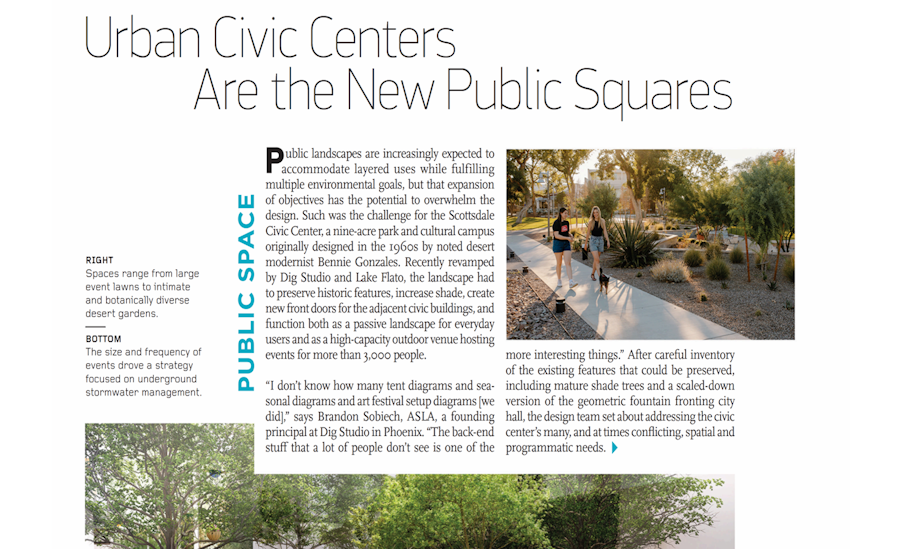
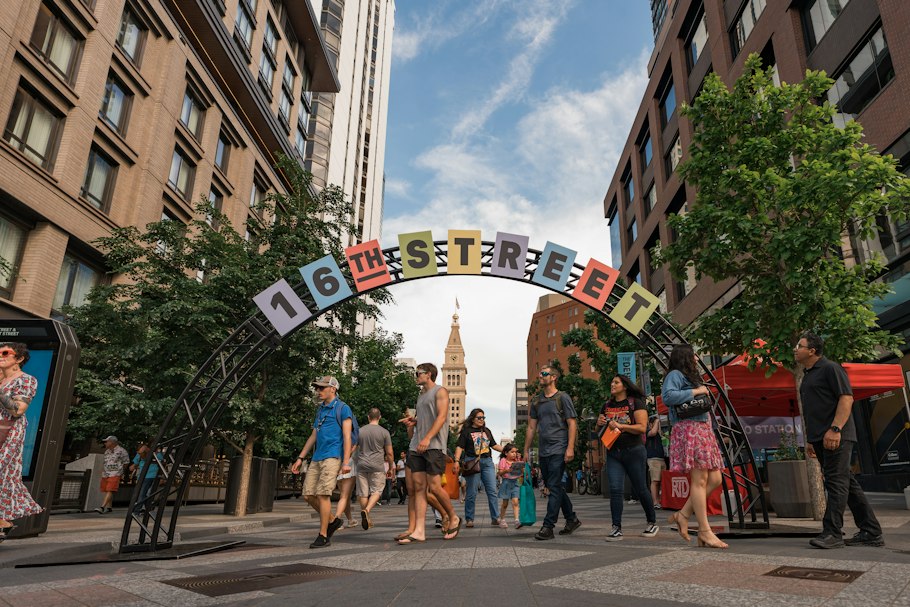
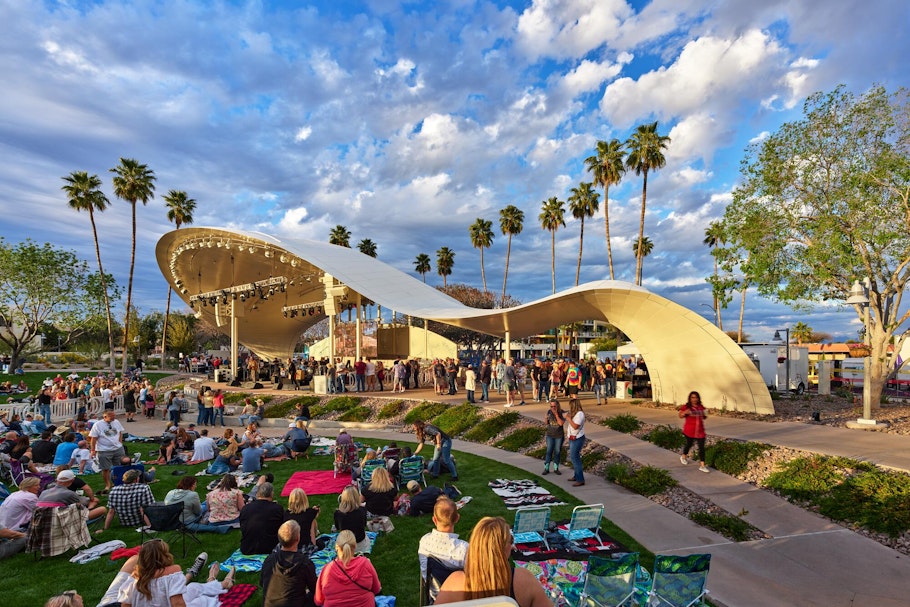
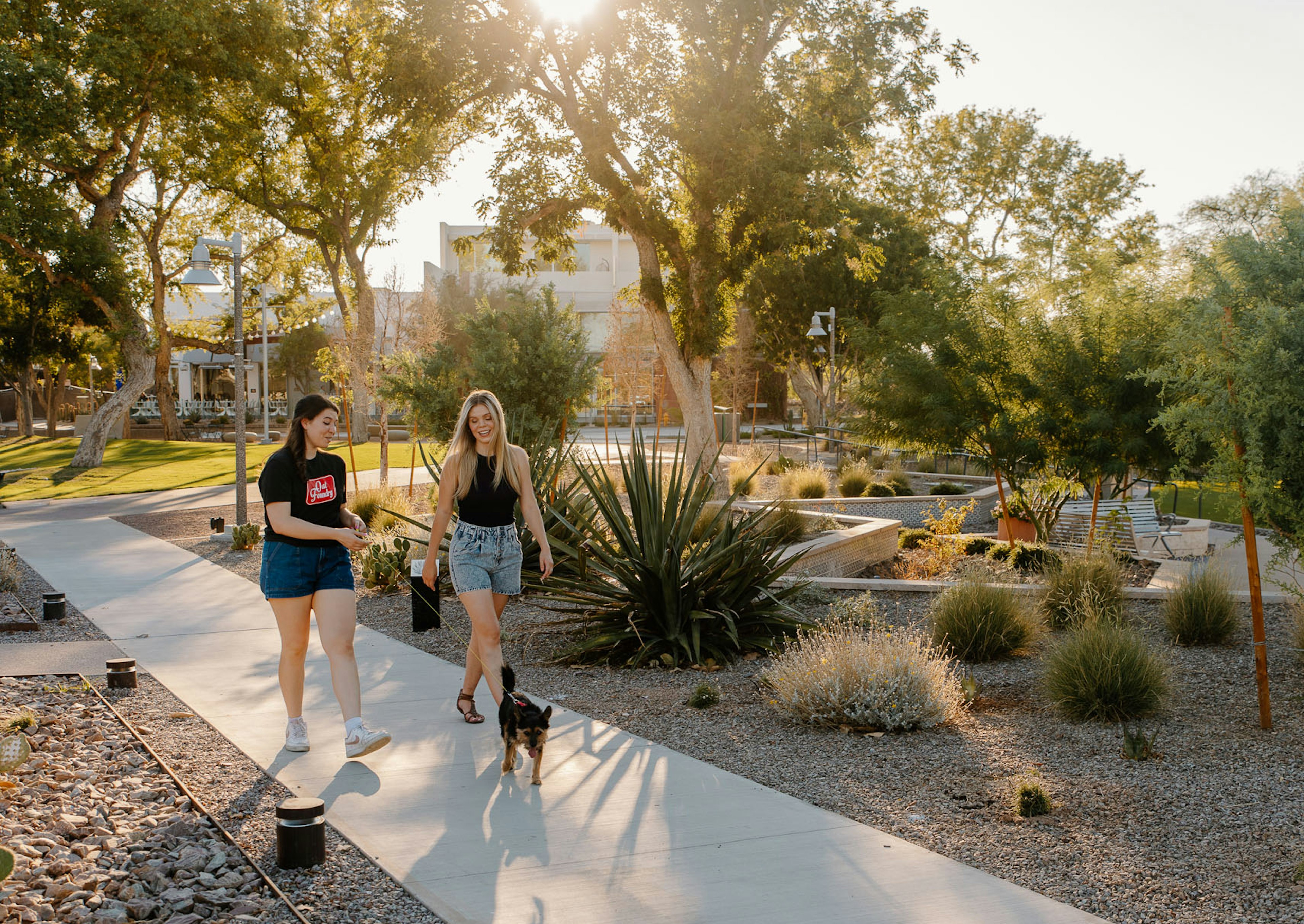
Dig Studio projects, including Scottsdale Civic Center, Gilbert Regional Park, Heroes Regional Park, City Park Nature Play, and Denver’s 16th Street, demonstrate these principles at different scales. Each pairs immediate cooling strategies with long-term investments in healthy trees, water conservation, and resilient public landscapes.
As Gretchen writes, meaningful shade does not happen by accident. It requires communities to plan today for the canopy, and climate conditions, they will need decades from now.
Read the full article in World Landscape Architecture.
-
Date
September 09, 2026
-
Tags
Thought Leadership
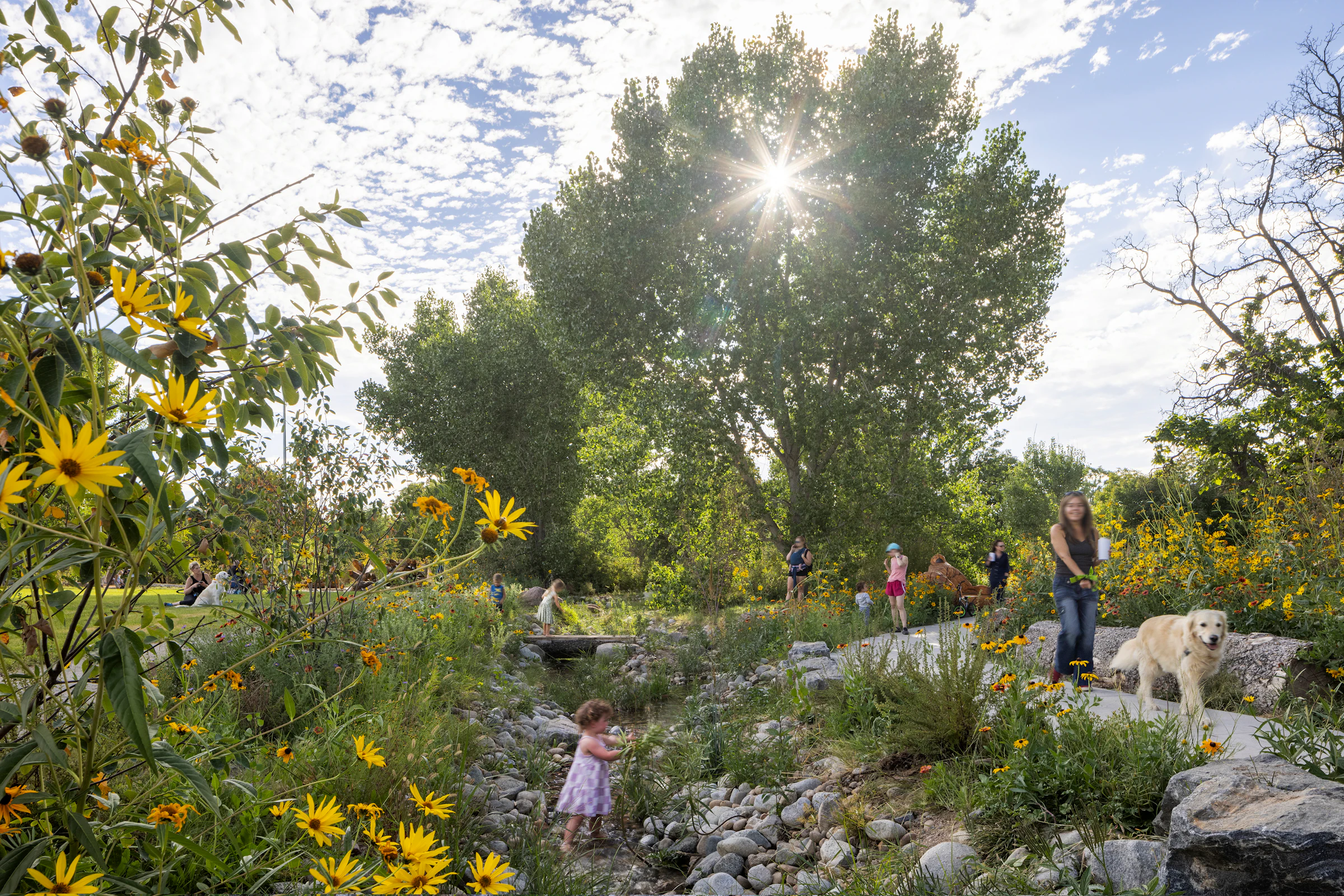
If shade is infrastructure, then trees are among the most effective infrastructure investments a community can make.”
Gretchen Wilson, FASLA, PLA, LEED AP, WEDG - Principal, Co-Founder and Landscape Architect, Dig Studio


16th Street tree system: Suspended paving provides the soil volume and structural support needed for trees to thrive beneath a busy urban corridor.
16th Street: Long-term investment below ground creates the soil conditions needed for a healthy and enduring urban canopy.
Gilbert Regional Park: Reclaimed water supports a generous desert canopy without relying on potable water for irrigation.
Scottsdale gathering space: Immediate structural shade complements a growing tree canopy to keep public spaces comfortable and active.
Heroes Regional Park: More than 800 trees, stormwater capture, and reclaimed water work together to support cooling and recreation.