Central Park Neighborhood
How does a decommissioned airport become one of the most livable and resilient neighborhoods in the country?
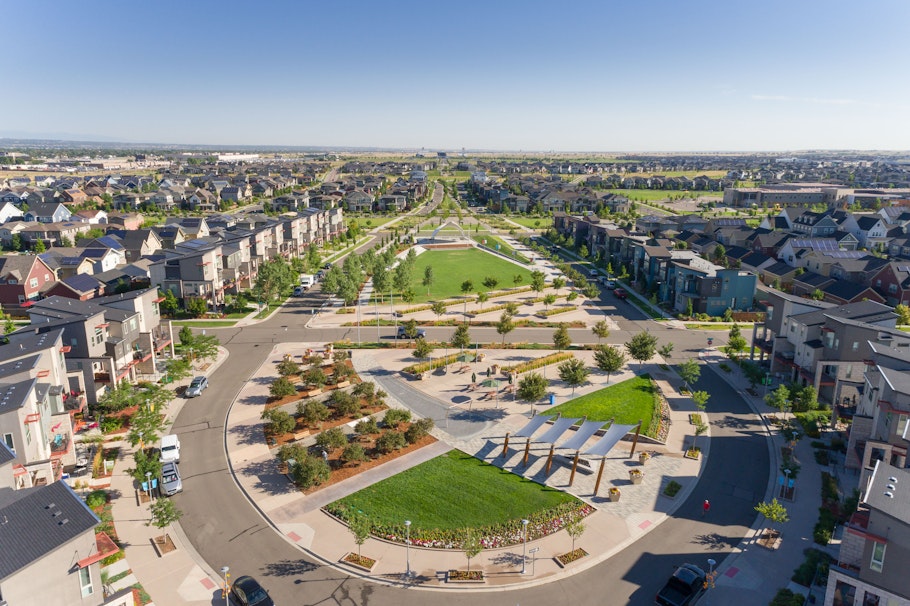
Through 25 years of coordinated planning, design, and development, Denver’s former Stapleton Airport became Central Park—a thriving, 4,700-acre urban infill community. As part of a multidisciplinary team, landscape architects helped shape a connected network of parks and trails that supports resilience, mobility, and a strong sense of place.
The transformation of Denver’s former Stapleton Airport into one of the largest urban infill communities in the United States is a story of long-term vision, resilience, and design leadership. Over the past 25 years, the 4,700-acre site has evolved into the Central Park neighborhood—home to nearly 35,000 residents, 60 parks, and more than 35 miles of pedestrian and bicycle trails that connect to a regional network.
From the beginning, Central Park was envisioned as a walkable, park- and trail-oriented community, where residents would engage deeply with the Colorado outdoors. Open space and drainage infrastructure were not afterthoughts—they were key drivers of the urban form. Today, more than 1,100 acres of parks and open space, over 60 miles of trails, and 50,000 newly planted trees shape the neighborhood’s identity, mitigate urban heat island effects, and restore ecological function.
Dig Studio has been a consistent design leader throughout this multi-decade effort, shaping nearly every aspect of Central Park’s parks, parkways, trails, and recreational facilities. Our team has played a central role in realizing the original vision through a bold, evolving approach to landscape design rooted in sustainability, regional appropriateness, and community engagement.
-
Location
Denver, CO
-
Client
Forest City Stapleton, Stapleton Development Corp., Park Creek Metro District, Denver Parks & Recreation
-
Awards
2024 Denver Mayor's Design Award: Landscape in Focus - Central Park Community Streetscapes, Parks and Open Spaces
2012 CO ASLA Merit Award for Research and Communication - Central Park North Design Guidelines
-
Size
4,700 acres
-
Region
Mountain
-
Project Type
Community
Resilience
A Benchmark for Sustainability
Central Park was one of the first large-scale infill projects in the nation guided by a comprehensive Sustainability Vision Plan. This plan laid out specific goals for economic, social, and environmental performance—many of which have now been met or exceeded. Through strategic implementation, the neighborhood has become a national model for integrated green infrastructure and climate resilience, reducing the impacts of drought, flooding, and extreme heat.


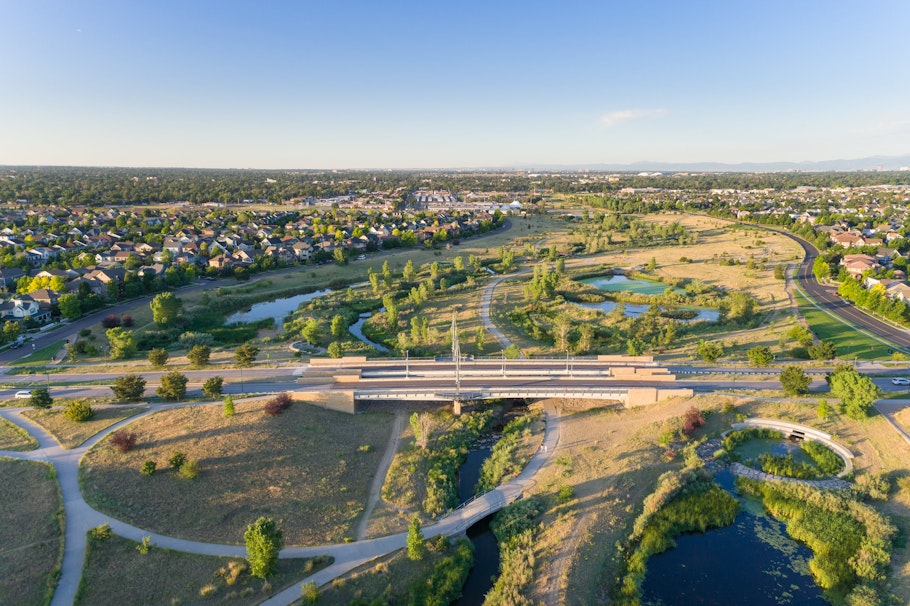
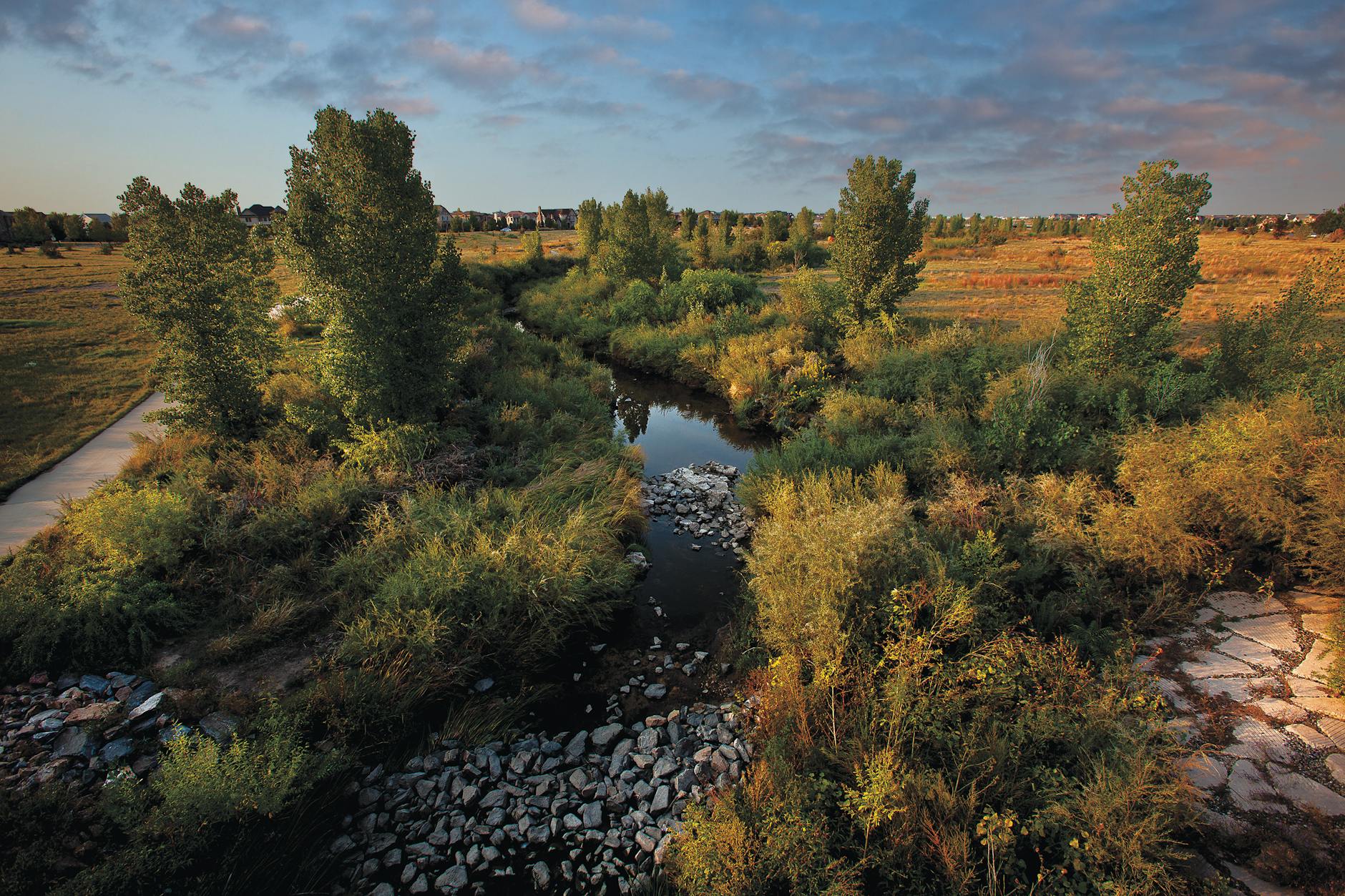
Westerly Creek was designed to take all the pipes that used to go underground for the airport and bring them through in a natural waterway through the center of the park and act as a flood control.
When major, hundred-year storms hit Denver in 2013, the system was tested and passed with flying colors. Westerly Creek corridor was able to manage it well.
Where art meets earth—natural stone elements and integrated artwork bring texture and storytelling to the Westerly Creek path in Central Park.
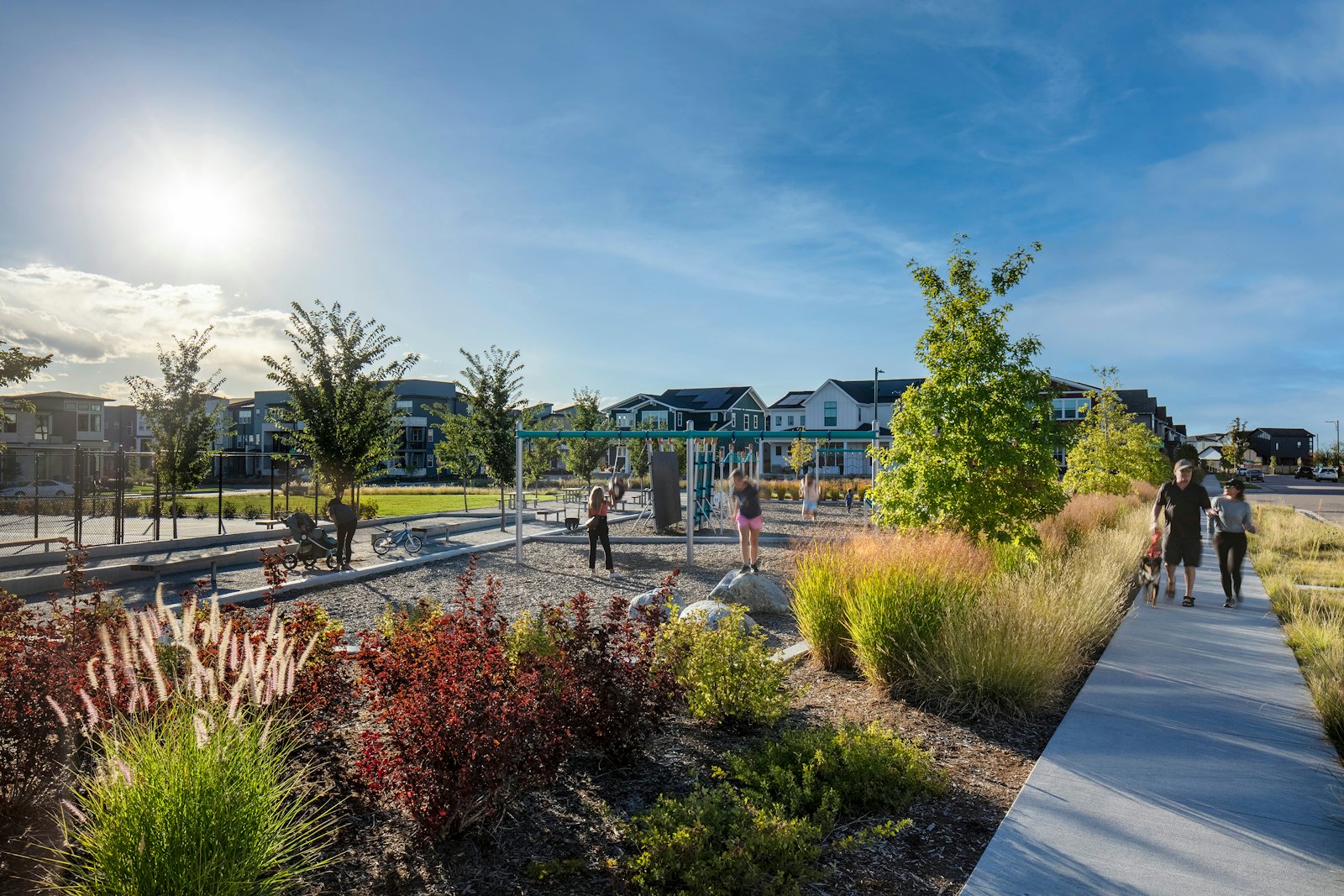
Rolling Bluff Park is a pocket-sized destination with a curvy ride path and a playground built for fun.
The north end of Beeler Street is terminated by Front Porch Park, with a focus turned to the expansive views of the Rocky Mountains and the Rocky Mountain Arsenal.
The shady grove, water runnel and timber shade structure in Cottonwood Clearing Park at the intersection of Beeler and 59th Place provide respite from the sun and harken back to the prairie homesteads of times gone by.
A walk on the path meandering through the Beeler Park neighborhood’s wide median feels like strolling along a country road.
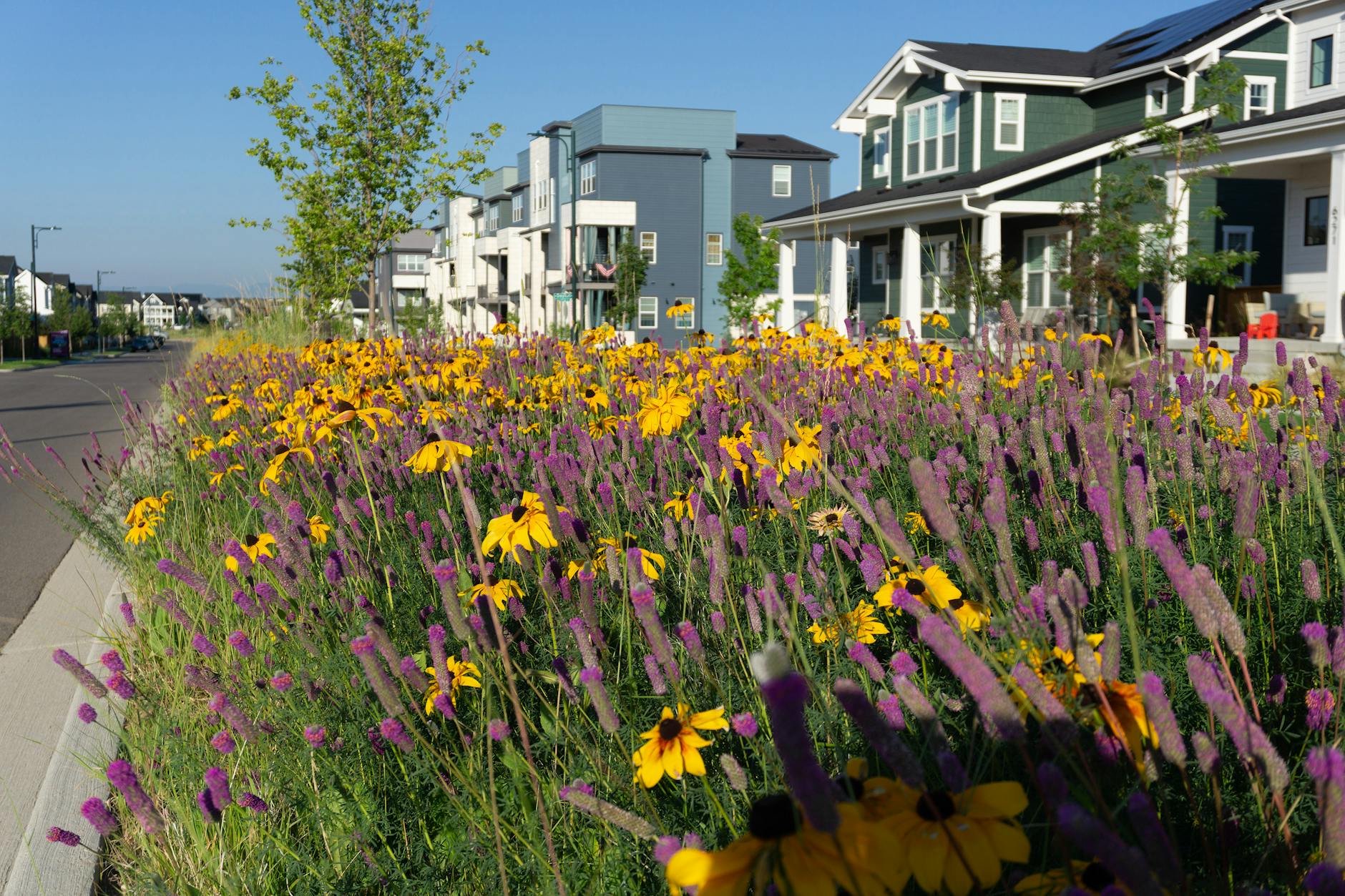
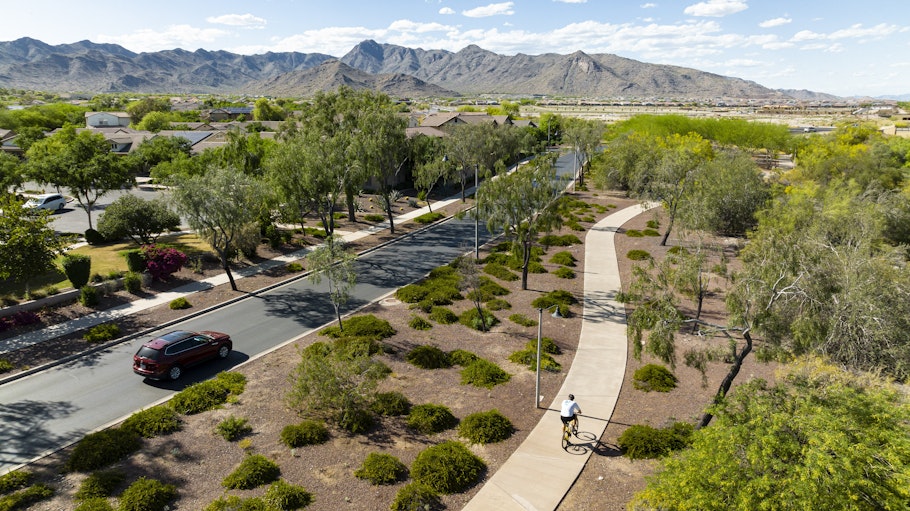
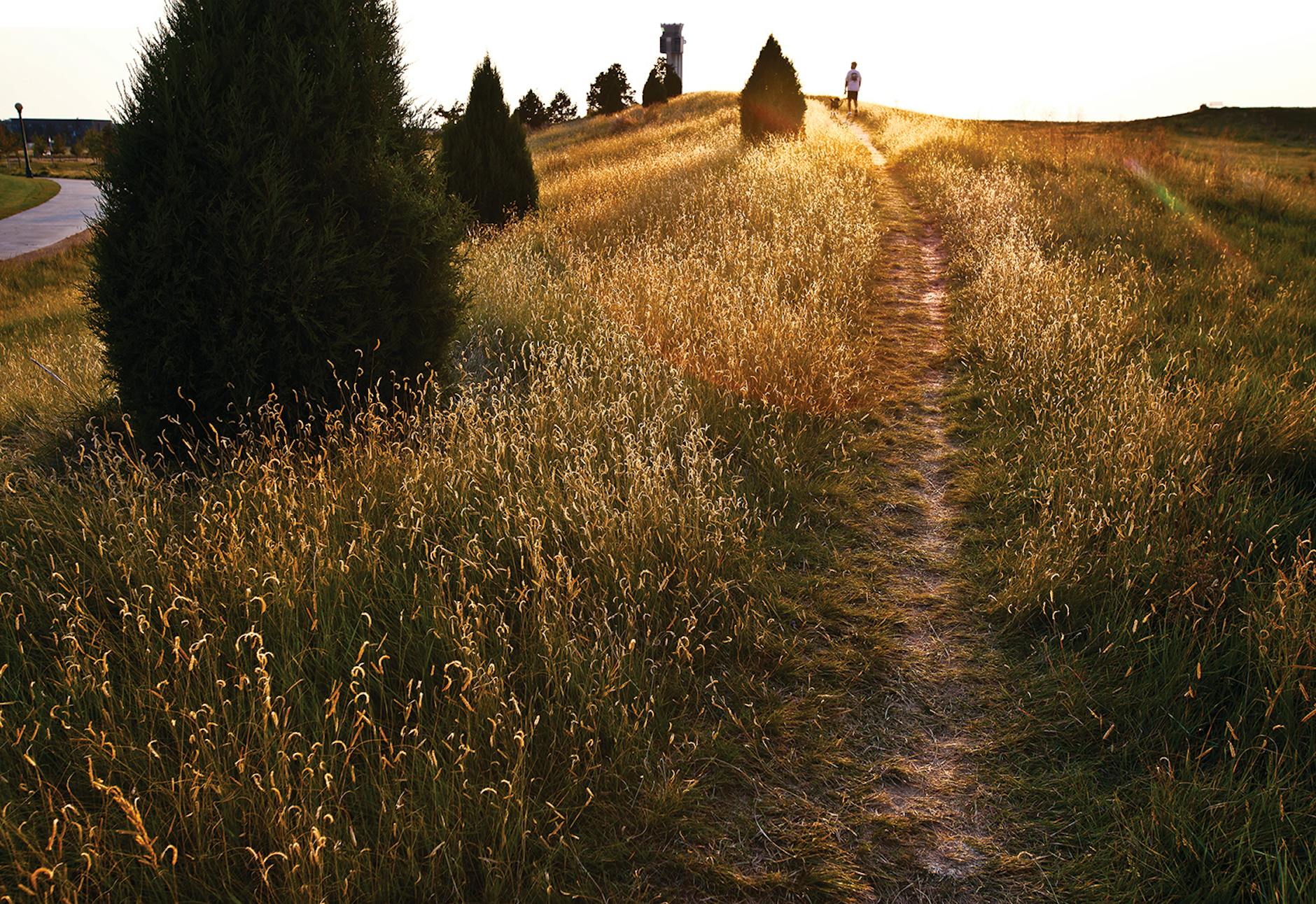
To move beyond traditional landscape models, Dig Studio developed a design framework we call City Ecological—a regionally appropriate aesthetic that emphasizes native landscapes and ecological systems. This approach departs from Denver’s historic park styles and creates a bold new identity for Central Park. Our team applied the City Ecological vision across all scales—from pocket parks and parkways to regional open space corridors—creating a landscape language that is environmentally appropriate, water-conscious, and reflective of Colorado’s natural character. The result is a cohesive yet diverse park system that supports recreation, ecology, and identity.
Community Formed by Parks
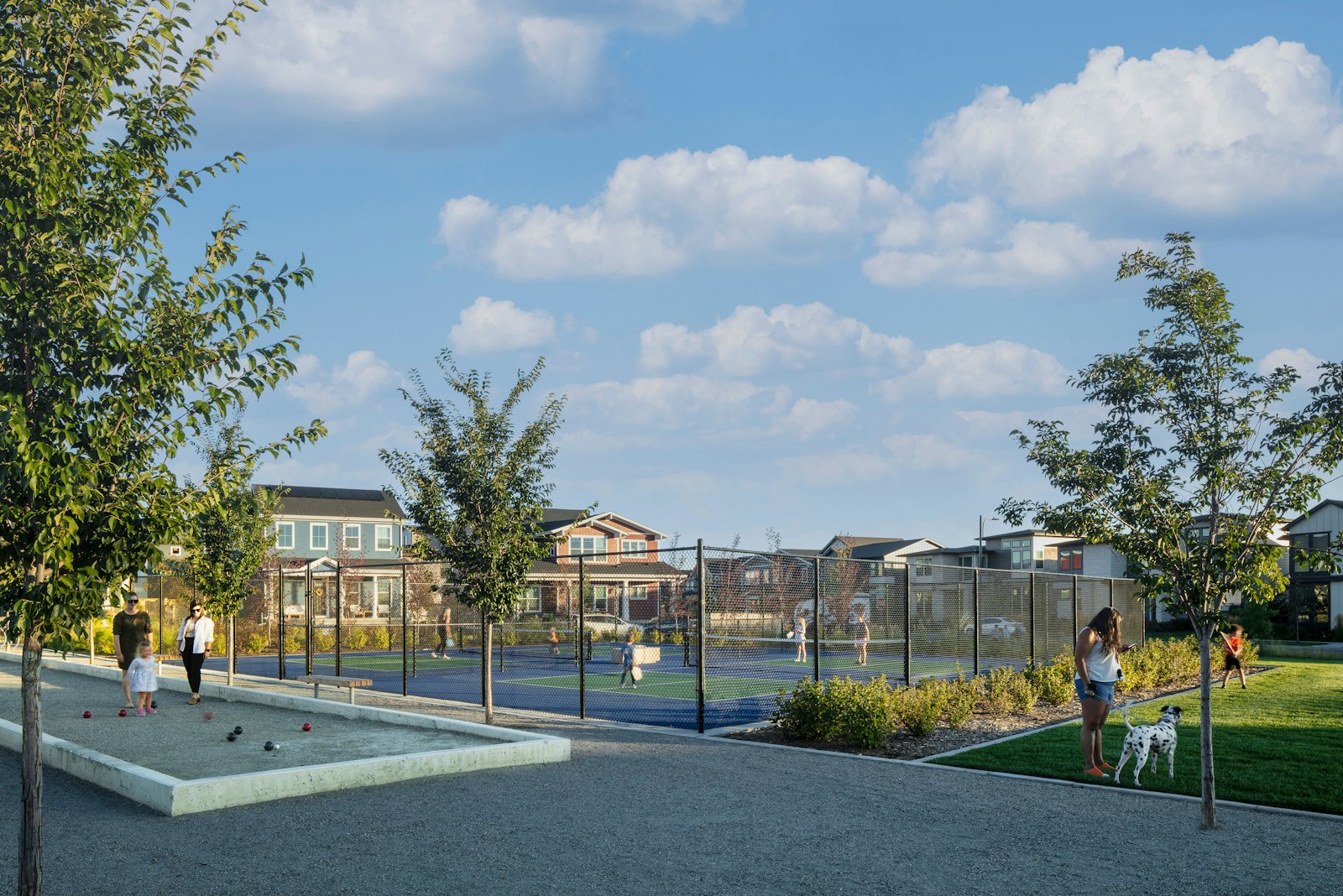
The park and open space network at Central Park forms the social and physical backbone of the community. From the expansive namesake Central Park that grounds the community in its high plains context to the stormwater-integrated green infrastructure of Westerly Creek and East/West Greenway Park, each space was designed to serve multiple functions—recreation, connection, ecology, and community building. Smaller-scale neighborhood parks, seasonal pool parks, a skate park, community town greens, and accessible trail-linked parkways provide a range of experiences that respond to residents’ daily lives. Education efforts around water conservation have also shaped residents’ expectations, establishing a new precedent for open space stewardship in arid climates.
Looking Ahead
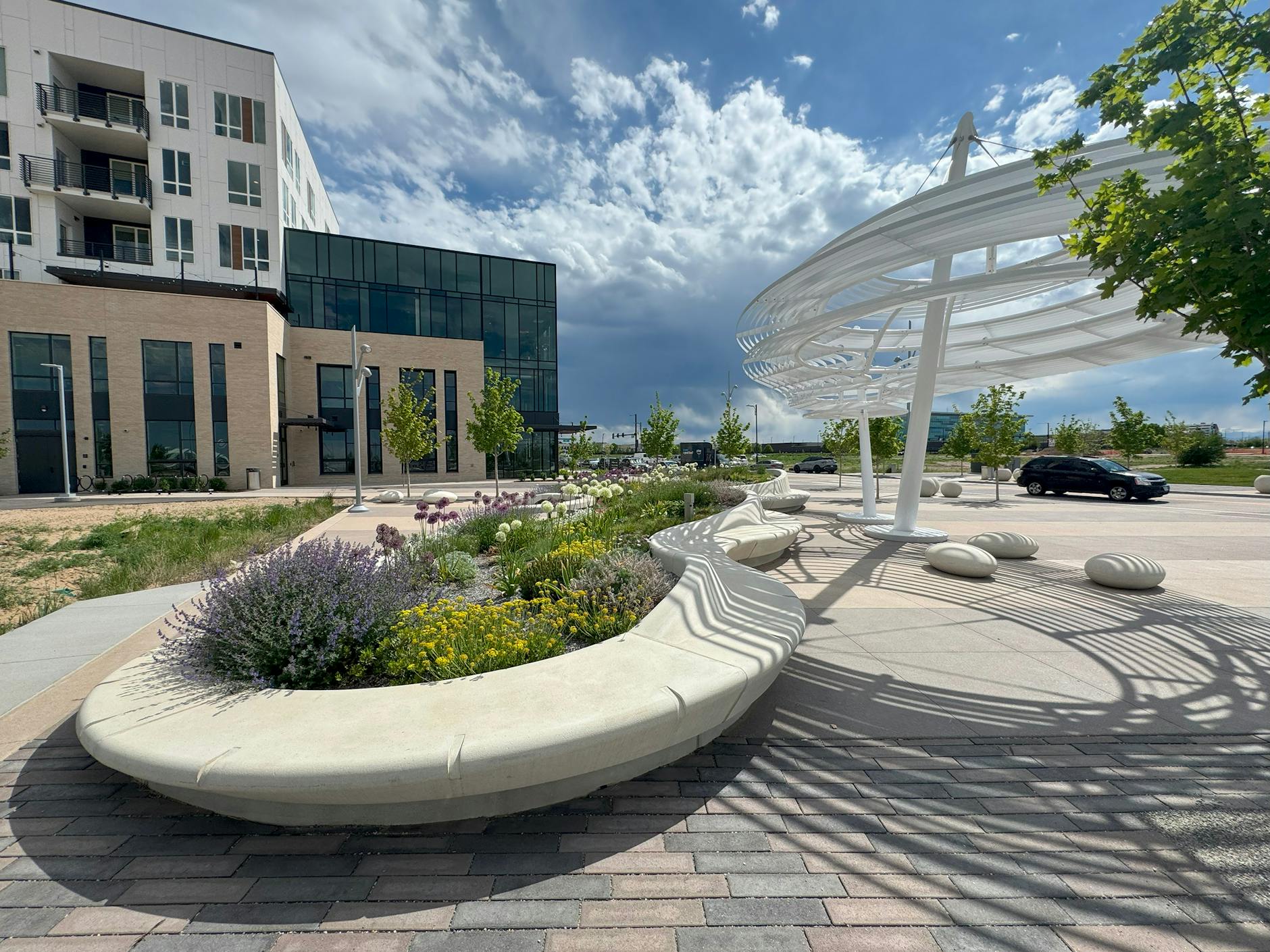
As Central Park nears its final phase of development—with the last transit-oriented development (TOD) parcel now underway—lessons from the past two decades continue to shape the future. Higher-density, mixed-use development and a full range of housing types will round out the community’s fabric, reinforcing its identity as a walkable, resilient, and inclusive urban neighborhood. Through over 500 acres of implemented parks, streetscapes, and open space, Dig Studio’s work in Central Park exemplifies the power of thoughtful, long-range landscape architecture to transform a site—and a city—for generations to come.