Carpio-Sanguinette Heron Pond Park
How can a new park address historic social and environmental inequities?
Reimagining an environmentally compromised site as Denver’s largest nature park
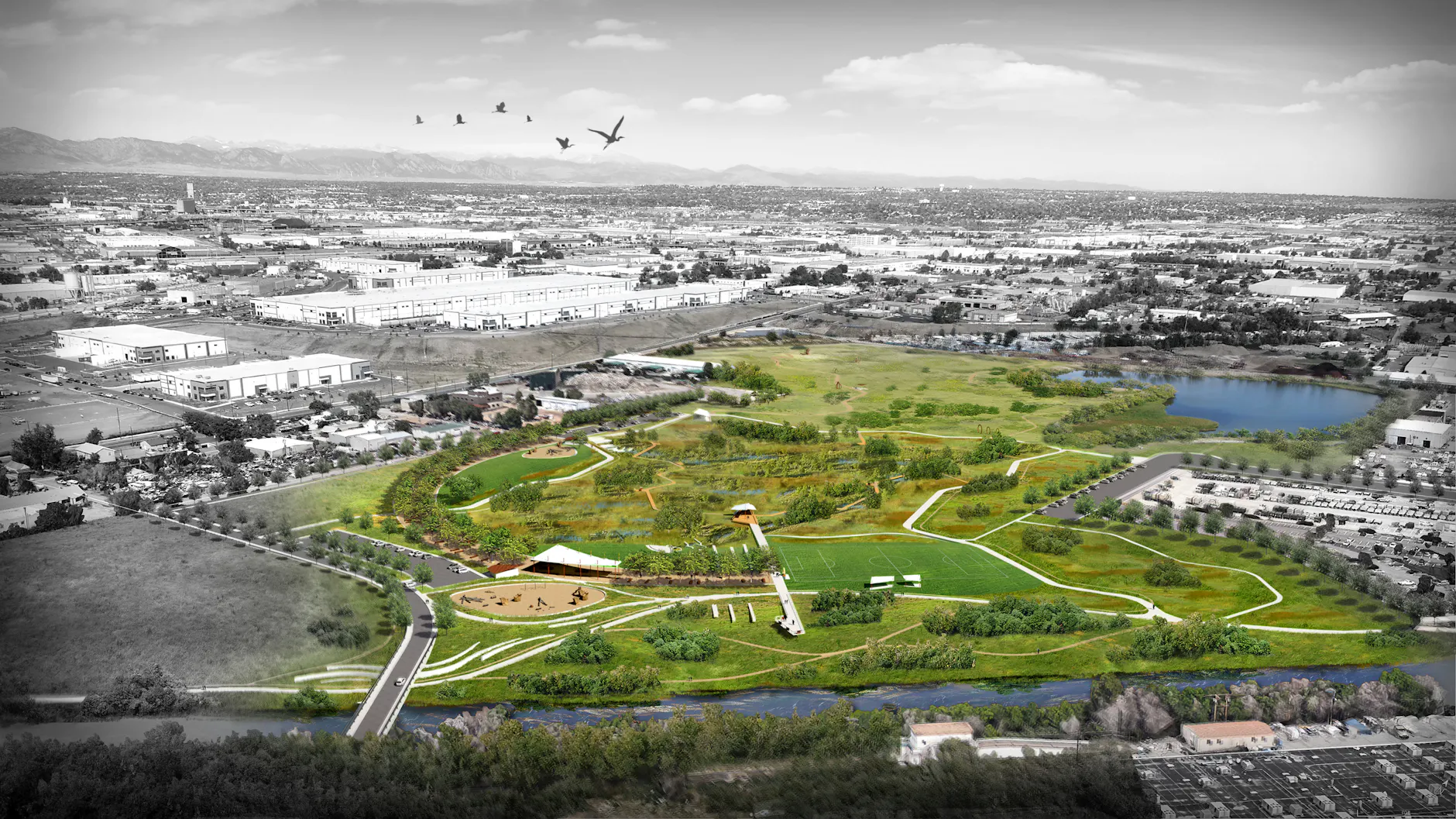
Transforming a former industrial brownfield into one of Denver’s most significant new public landscapes, the Carpio-Sanguinette / Heron Pond Park reimagines 80 acres along the South Platte River as a vibrant, ecologically rich regional park. Located within Globeville—one of Denver’s most historically underserved neighborhoods—the project represents a critical investment in environmental restoration, community health, and equitable access to nature.
Led by Dig Studio, the multidisciplinary team brought together ecologists, engineers, and community engagement specialists to shape a vision grounded in both ecological performance and community priorities. The plan restores degraded land into a functioning natural system, improving water quality for over 700 acres of tributary area while establishing diverse habitats that support biodiversity and long-term resilience.
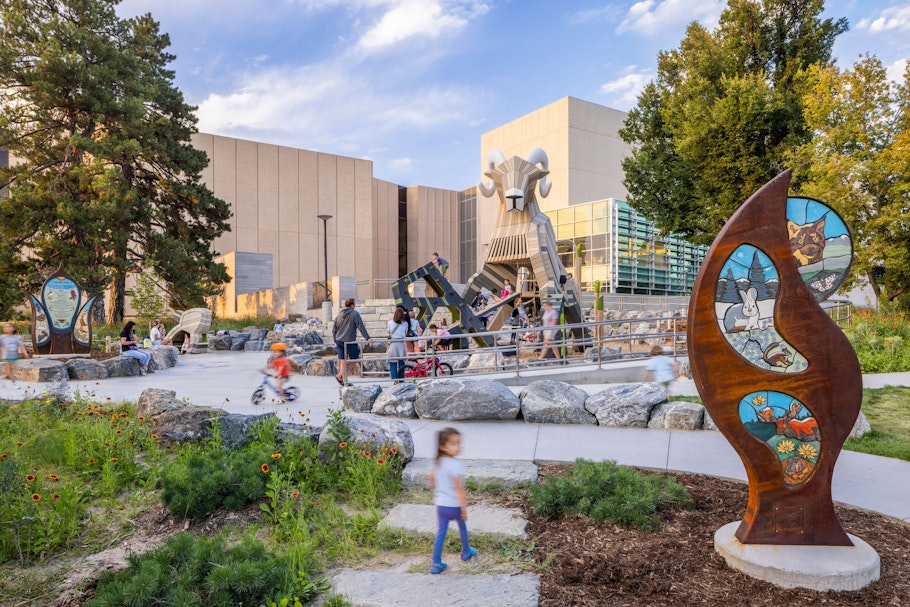
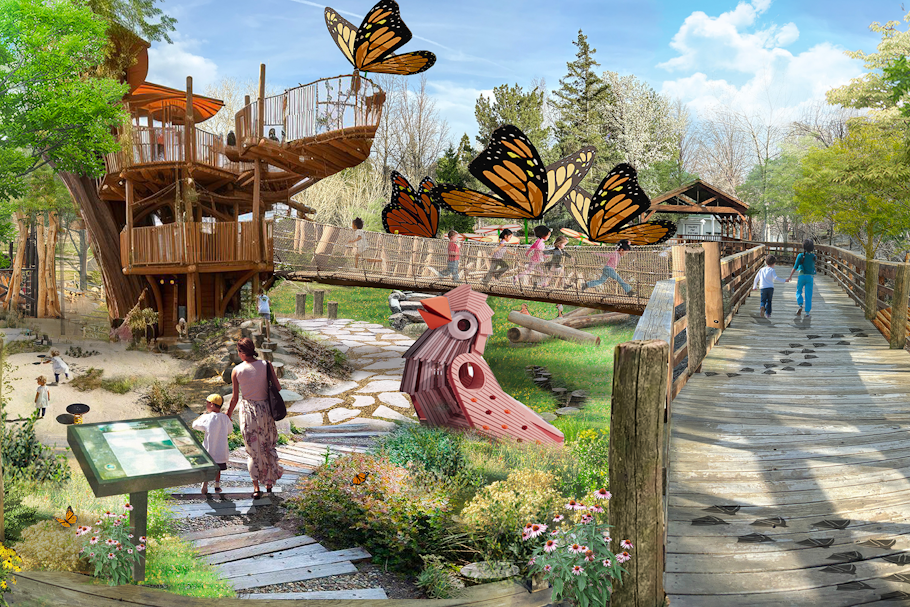
Equally important, the park is designed as a place for people. Extensive community engagement informed a network of trails, gathering spaces, nature play areas, and educational opportunities that reflect the neighborhood’s identity and needs. The park will provide safe, welcoming access to the outdoors while reconnecting Globeville residents to the South Platte River Greenway—physically and culturally.
As the largest natural area within the Denver Parks system, Carpio-Sanguinette / Heron Pond Park sets a new standard for regenerative design—demonstrating how formerly contaminated land can be transformed into a community asset that supports ecological health, fosters social connection, and creates lasting economic and environmental value.
-
Location
Denver, CO
-
Client
City and County of Denver Dept. of Parks & Recreation
-
Awards
ASLA Colorado Award, 2018: President’s Award of Excellence for Planning
-
Collaborators
Wilson and Company, Biohabitats, Hydrosystems/KDI, Pinyon Environmental
-
Photography
Andrew Allomong/
City and County of Denver -
Size
80 acres
-
Region
Mountain
-
Project Type
Park
Planning
Resilience
Urban
Reclaiming a Landscape Shaped by Industry
A landscape shaped by industry and infrastructure—once fragmented, contaminated, and largely inaccessible—is being re-envisioned as a unified 80-acre park along the South Platte River that restores ecological systems, reconnects neighborhoods, and creates meaningful space for the Globeville community.


The park balances habitat restoration with active community spaces—from nature play to large-scale gathering.
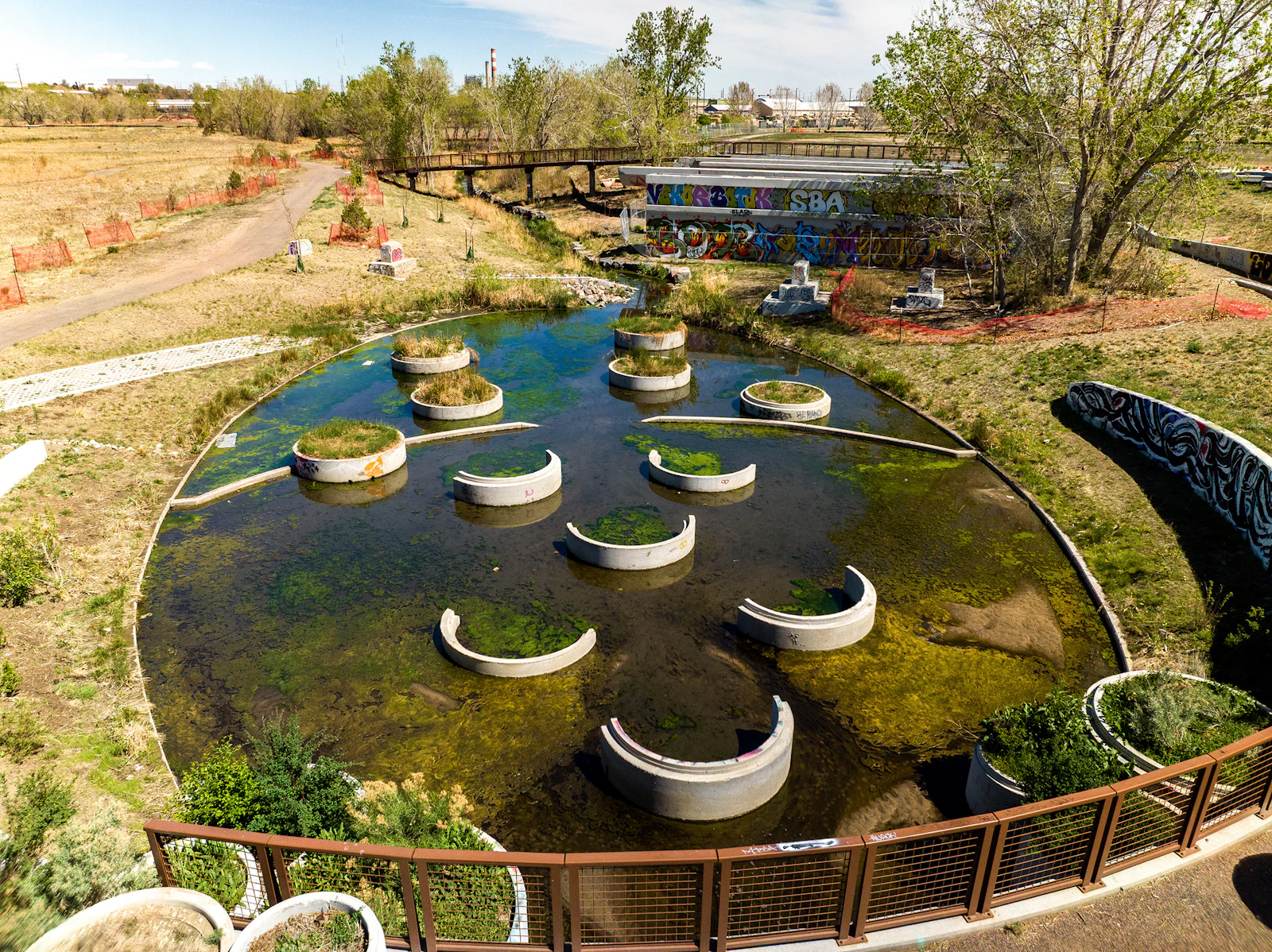
Stormwater infrastructure becomes a visible and educational landscape feature—improving water quality while shaping experience.
Water is not hidden—it is celebrated, filtered, and reintroduced as habitat.
Interpretive elements turn the landscape into a living classroom for all ages.
A continuous network of trails, overlooks, and gathering spaces connects people to the river and to each other.
Art and cultural expression are integrated throughout the landscape, reflecting the identity of the surrounding community.
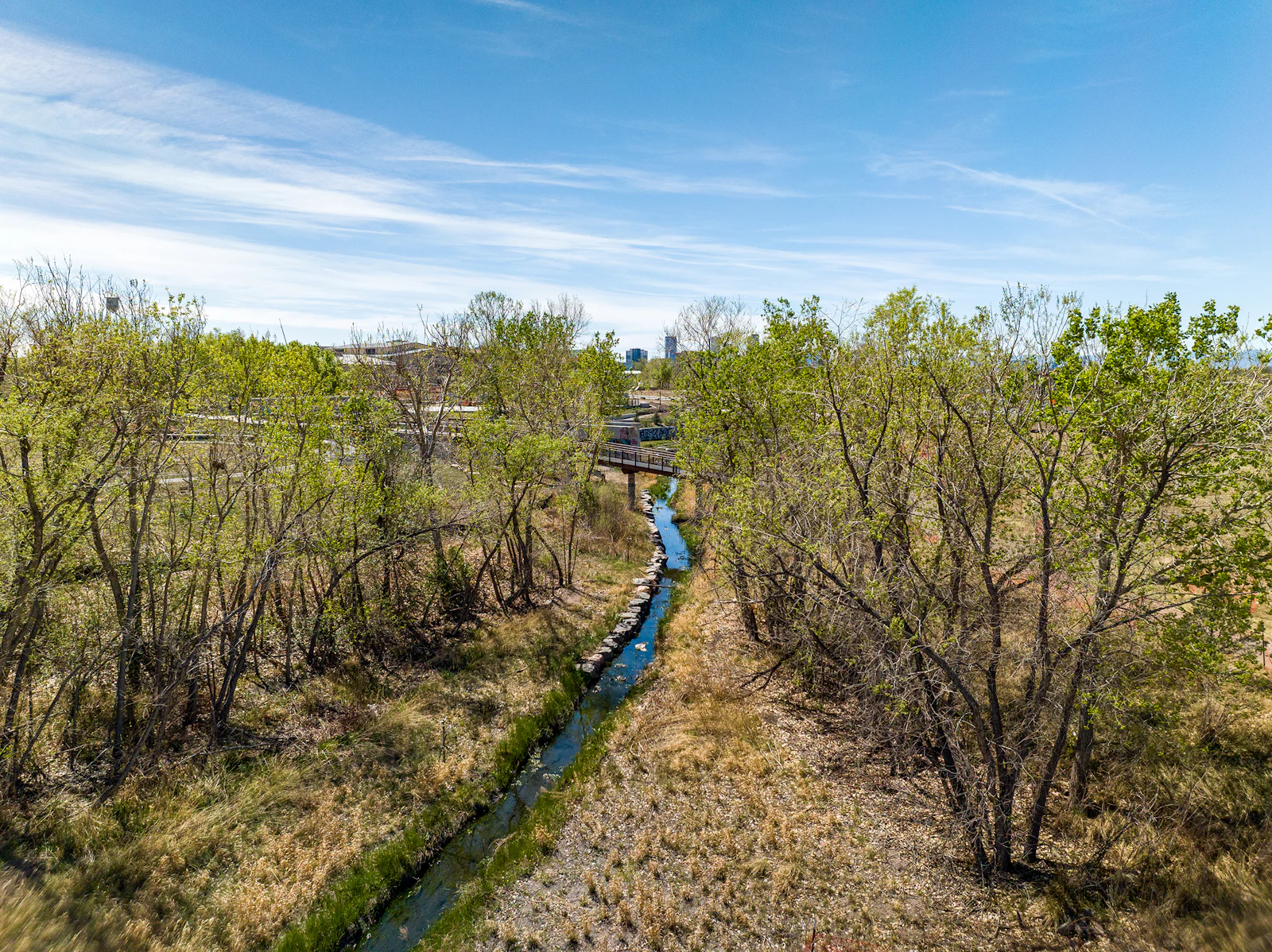
Natural stone elements shape a tactile path through the wetland—blending circulation with habitat and experience.


Stormwater from a 700-acre tributary is managed through a 9-acre system that treats up to 6 million gallons during a 100-year storm—transforming infrastructure into a visible, performative landscape.
A moment of perspective—on site with the team at the overlook, experiencing firsthand how the park is taking shape.
In progress: a vibrant play environment emerges, blending art, nature, and play into a one-of-a-kind landscape experience.
A nature-inspired play environment takes shape—transforming the landscape into a space for exploration, creativity, and discovery.
Community voices shaped every layer of the plan—from access and safety to programming and identity.
Designed with—not just for—the Globeville community.
To get the community excited about the park design, the City and the Dig Studio team held a Bioblitz event to document exisiting pollinator species on iNaturalist.